


Introduction: The Legend Behind the B58
There are engines that generate legends, and there are engines that drive automobiles.
The B58 engine, one of BMW’s greatest creations, is among the most potent, seamless, and exquisitely designed inline-six engines ever made. Whether you’ve driven an X5, a Supra, or a BMW M340i, you’ve experienced the heart-stopping rush when the turbocharger engages.
However, even the powerful B58 has its peculiarities, just like any other flawless piece.
We’ll examine common issues with BMW B58 engines, their causes, symptoms, and preventative measures in this emotional and technical in-depth, all the while preserving the engineering marvel’s genius.
A Quick Look at the BMW B58 Engine
Before we talk about its problems, let’s take a quick look at what makes the B58 special.
| Specification | Details |
|---|---|
| Engine Type | 3.0L Turbocharged Inline-Six |
| Production Years | 2015 – Present |
| Power Output | 322 – 382 HP (depending on model) |
| Torque | 332 – 369 lb-ft |
| Models | BMW 340i, 440i, M240i, X3 M40i, Z4 M40i, Toyota Supra (A90), and more |
| Engine Family | BMW Modular B-series (successor to N55) |
With improved cooling, increased efficiency, and remarkable dependability, the B58 took the place of the N55. Even though the heart is said to be “bulletproof,” arrhythmias can still occur from time to time.
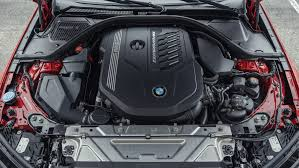
1. Coolant Leaks: A Silent Killer
Coolant leaks are one of the most frequent issues with BMW B58 engines. Although they may not seem like much at first, they can cause severe overheating if left unchecked.
Why It Happens
- Plastic fittings and seals around the coolant pipe can become brittle over time.
- Thermostat housings and water pumps may develop micro-cracks or wear from high heat cycles.
Symptoms to Watch For
- Coolant level dropping faster than usual.
- A sweet smell (ethylene glycol) around the engine bay.
- Overheating warning lights on the dashboard.
Emotional Insight
It is similar to a relationship in that minor issues that go unnoticed can eventually lead to major issues. You and your B58 maintain a strong bond through routine checks.
Solution
- Inspect coolant lines and replace seals every 40,000–50,000 miles.
- Consider upgrading to metallic fittings if available aftermarket.
2. Oil Filter Housing Gasket Leaks
Even before the B58, this was a classic BMW problem. The oil filter housing gasket has a tendency to harden and leak over time.
Cause
High temperatures in the B58 cause the rubber gasket to lose elasticity. Once it hardens, oil seeps out and can drip onto belts or other components.
Signs
- Oil spots under the car.
- Burning smell (if oil drips on the exhaust).
- Reduced oil levels.
Tip from the Heart
It’s not just a leak — it’s your BMW crying for attention. Catch it early, and your engine will thank you with years of smooth drives.
Fix
- Replace the gasket with OEM or upgraded rubber.
- Always check oil levels after long highway drives.
3. Carbon Build-Up on Intake Valves
The B58 is susceptible to carbon buildup despite being a direct-injection engine. Oil vapors and blow-by gases accumulate on intake valves over time, obstructing airflow and decreasing efficiency.
Why It Happens
- Direct injection sprays fuel directly into the cylinder, skipping the intake valve.
- No fuel contact = no cleaning effect.
Warning Signs
- Rough idle.
- Misfires under acceleration.
- Decreased fuel efficiency.
Expert Insight
Think of it as cholesterol buildup in an athlete’s arteries — the heart is strong, but flow matters.
Solution
- Perform walnut blasting every 60,000–80,000 miles.
- Use high-quality fuel and occasional intake cleaners.
4. VANOS (Variable Valve Timing) Solenoid Issues
The B58’s fuel efficiency and seamless power delivery are attributed to the VANOS system. However, the entire symphony sounds off if one instrument in the orchestra fails, much like a maestro.
Common Causes
- Oil sludge blocking VANOS solenoids.
- Low oil pressure.
- Faulty solenoid electrical connectors.
Symptoms
- Loss of low-end torque.
- Rough idling or hesitation during acceleration.
- Engine light (check codes like P0012, P0015).
Tip
Regular oil changes with BMW LL-01-approved synthetic oil can prevent this issue.
5. High-Pressure Fuel Pump (HPFP) Failure
Even though BMW improved HPFP design with the B58, occasional failures still occur — especially under heavy tuning or ethanol use.
Causes
- High ethanol content fuel.
- Debris contamination.
- Pump wear under high boost.
Symptoms
- Long cranks before start.
- Sudden power loss.
- Fuel pressure codes or limp mode.
Emotionally Speaking
When your B58 hesitates, it’s like watching a champion trip mid-race. The spirit is strong, but the fuel flow is the lifeblood.
Solution
- Replace HPFP if symptoms persist.
- Use top-tier fuel and regular filter maintenance.
6. Turbocharger Wear and Wastegate Rattle
The turbocharger is the soul of the B58’s power delivery — but with great boost comes great responsibility.
Why It Happens
- Continuous heat cycles cause bearing wear.
- Wastegate actuator springs may loosen, causing the infamous “wastegate rattle.”
Warning Signs
- Metallic rattling sound during acceleration or deceleration.
- Lag or inconsistent boost.
- Blue smoke (in rare turbo seal failures).
Emotional Note
That faint rattle isn’t just noise — it’s your car whispering that it’s aging gracefully. Don’t ignore its voice.
Solution
- Upgrade to a revised turbo actuator or replace the turbo if severely worn.
- Use synthetic oil and proper cool-down times after spirited drives.
7. Oil Consumption and Valve Cover Leaks
While not catastrophic, some owners report oil consumption or valve cover gasket leaks, especially in older B58 units.
Causes
- Heat and pressure causing gasket deterioration.
- Minor piston ring wear in high-mileage cars.
Symptoms
- Burning oil smell.
- White smoke under acceleration.
- Oil spots on garage floor.
Expert Tip
Check oil levels monthly — the B58 loves oil as much as it loves revs.
8. PCV (Positive Crankcase Ventilation) System Problems
The B58’s PCV system helps manage crankcase gases. But over time, it can get clogged, causing pressure buildup and oil leaks.
Why It Happens
- Oil vapor residue in hoses and valves.
- High-boost driving conditions.
Symptoms
- Whistling sounds from the engine bay.
- Rough idle.
- Oil leaks around seals.
Solution
- Clean or replace PCV valve every 60,000 miles.
- Use oil catch cans for tuned vehicles.
9. Water Pump and Thermostat Failure
BMW’s electric water pumps are efficient — but not immortal. Around 60,000–80,000 miles, they often begin to fail.
Why It Happens
- Constant electronic duty.
- Overheating due to scale buildup.
Symptoms
- Temperature warnings.
- Coolant leaks.
- Engine entering limp mode.
Emotional View
The B58 is like a champion athlete; even a small injury (like a failing water pump) can stop the whole performance.
10. Software & Sensor Glitches
Modern BMWs rely on dozens of sensors and modules. Occasionally, software bugs or sensor malfunctions can cause phantom check-engine lights or false readings.
Common Issues
- Oxygen sensor malfunction.
- Throttle position sensor errors.
- Miscommunication between ECU and transmission.
Fix
- Always update your BMW software at authorized service centers.
- Scan with ISTA or a reliable OBD-II tool for accurate diagnosis.
Preventive Maintenance Tips for the B58 Engine
| Maintenance Task | Recommended Interval | Notes |
|---|---|---|
| Oil Change | Every 6,000–8,000 miles | Use high-quality synthetic oil |
| Coolant Flush | Every 40,000 miles | Prevents overheating |
| Spark Plugs | Every 40,000 miles | Keeps ignition strong |
| Carbon Cleaning | Every 60,000–80,000 miles | Removes intake buildup |
| Water Pump & Thermostat | 60,000–80,000 miles | Replace proactively |
| PCV System Check | Every 50,000 miles | Keeps oil pressure stable |
Emotional Reflection: The Soul Beneath the Steel
Passion is more important than performance when it comes to owning a BMW with a B58 engine.
It’s about the ideal fusion of emotional driving experience and German engineering. You are reminded that machines are also capable of having a heartbeat by every hum, turbo whistle, and pull on an open road.
Indeed, there are common issues with the BMW B58 engine. However, they only serve to remind us that even perfection requires maintenance; they don’t define the engine. The B58 can easily travel 200,000 miles and still excite your soul like the first time with the correct care and affection.
Final Verdict: The B58 Remains a Modern Masterpiece
The B58 is among the most dependable turbocharged inline-sixes BMW has ever produced, despite its few shortcomings.
It has significantly fewer serious problems, performs better, and keeps the slick, smooth BMW feel that we all love, in contrast to its predecessors (N54, N55).
Don’t wait if you’re thinking about purchasing a BMW or Supra with a B58 engine.
This engine is more than just a machine; it’s a bond, so be prepared to give it the love and care it needs.
