

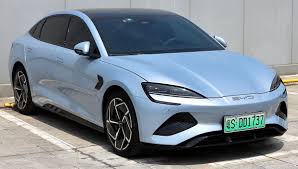
Not long ago, if you mentioned BYD in a conversation about cars or technology, most people outside China would look confused. Today, that reaction is changing fast. BYD is no longer just a name whispered in industry circles—it’s becoming one of the most important companies shaping the future of transportation, energy, and sustainability worldwide.
What makes BYD fascinating isn’t just its rapid growth or its impressive numbers. It’s the way the company approaches innovation with patience, long-term thinking, and an almost stubborn belief that cleaner energy isn’t a trend—it’s a necessity.
This article isn’t a press release or a hype piece. It’s a human-centered look at BYD: where it came from, what it stands for, how it’s changing industries, and why it matters to everyday people, not just engineers or investors.
Part 1: Understanding BYD Beyond the Headlines
What Is BYD, Really?
BYD stands for “Build Your Dreams.” It’s a name that sounds almost poetic, especially for a company deeply rooted in batteries, manufacturing, and engineering. But that name isn’t accidental. It reflects the company’s long-term vision: building technologies that support sustainable living and practical progress.
At its core, BYD is a technology company. While many people now recognize it as an electric vehicle manufacturer, its foundation lies in battery technology, energy storage, and clean energy solutions.
BYD doesn’t just make cars—it builds ecosystems.
The Early Days of BYD: A Humble Beginning
BYD was founded in 1995, not as a car company, but as a battery manufacturer. At the time, the company focused on rechargeable batteries for consumer electronics like mobile phones.
Those early years shaped BYD’s DNA:
- Efficiency over flashiness
- Vertical integration instead of outsourcing
- Long-term investment instead of quick wins
This battery-first mindset later became one of BYD’s biggest advantages as the world began shifting toward electric mobility.
How BYD Entered the Automotive World
BYD entered the automotive industry in the early 2000s—a move that many industry experts initially doubted. Traditional automakers had decades of experience, global supply chains, and strong brand recognition.
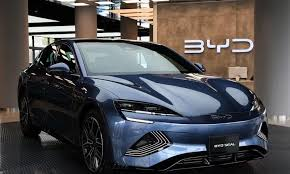
But BYD had something different:
- Deep expertise in batteries
- Control over core components
- A willingness to rethink how cars are built
Instead of copying existing models, BYD focused on electrification from the ground up.
BYD’s Philosophy: Vertical Integration
One of the defining characteristics of BYD is its commitment to vertical integration.
This means BYD:
- Designs its own batteries
- Manufactures key components in-house
- Develops its own software and power systems
- Controls much of its supply chain
Why does this matter?
Because it allows BYD to:
- Reduce costs
- Improve quality control
- Innovate faster
- Stay resilient during global supply disruptions
In a world where many manufacturers rely heavily on third parties, BYD’s self-reliance is a strategic advantage.
The Rise of BYD Electric Vehicles
BYD’s electric vehicles didn’t become global overnight. The company focused first on:
- Domestic markets
- Fleet vehicles
- Public transport solutions like electric buses and taxis
This approach allowed BYD to:
- Test technology at scale
- Gather real-world data
- Improve reliability before mass consumer adoption
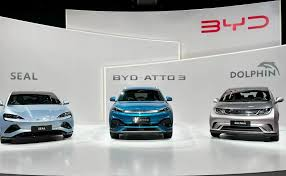
Today, BYD produces a wide range of vehicles, from compact city cars to premium electric sedans and SUVs.
Why BYD’s Battery Technology Matters So Much
If there’s one area where BYD truly stands out, it’s battery innovation.
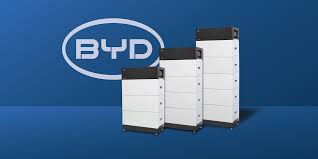
BYD’s development of advanced battery systems—especially those focused on safety, longevity, and efficiency—has influenced the entire EV industry.
Key priorities include:
- Reduced fire risk
- Longer lifespan
- Faster charging
- Lower environmental impact
For everyday drivers, this translates into peace of mind, reliability, and lower long-term costs.
BYD and the Global Shift Toward Sustainability
Sustainability isn’t a marketing slogan for BYD—it’s the core of its business model.
The company operates across:
- Electric vehicles
- Renewable energy generation
- Energy storage systems
- Electrified public transport
This holistic approach allows BYD to address environmental challenges from multiple angles, rather than focusing on a single product category.
BYD’s Role in Public Transportation
One of the most impactful yet less talked-about contributions of BYD is in public transportation.
BYD electric buses and taxis operate in cities around the world, helping reduce:
- Air pollution
- Noise pollution
- Carbon emissions
For millions of people, BYD’s technology improves daily life without them ever noticing the brand behind it.
That quiet impact is part of what makes BYD unique.
Part 2: BYD’s Global Influence and What It Means for the Future
BYD Beyond China: A Global Expansion
BYD’s growth outside China has been steady and strategic rather than aggressive.
The company has expanded into:
- Europe
- Asia-Pacific markets
- Latin America
- Africa
- The Middle East
Instead of flooding markets, BYD adapts its offerings to local needs, regulations, and infrastructure.
This patient approach has helped BYD build trust in regions where consumers are cautious about new brands.
How BYD Competes Without Copying
Unlike some companies that imitate existing designs or strategies, BYD has carved out its own identity.
BYD vehicles are known for:
- Practical design
- User-friendly technology
- Competitive pricing
- Solid build quality
Rather than chasing luxury trends or flashy features, BYD focuses on functionality that improves daily life.
BYD and Affordability: Making EVs Accessible
One of the biggest barriers to electric vehicle adoption is cost.
BYD addresses this by:
- Controlling production costs
- Offering multiple price tiers
- Designing efficient platforms
- Avoiding unnecessary complexity
By doing so, BYD makes electric mobility accessible to a broader audience—not just early adopters or high-income buyers.
The Human Side of BYD’s Technology
Technology often feels cold and impersonal, but BYD’s impact is deeply human.
Consider:
- A commuter breathing cleaner air because of electric buses
- A family saving money on fuel and maintenance
- A city reducing noise pollution
- A country lowering dependence on fossil fuels
These outcomes aren’t abstract—they affect real lives every day.
BYD and Energy Storage: Powering More Than Cars
BYD’s expertise in batteries extends far beyond vehicles.
The company develops:
- Home energy storage systems
- Grid-scale battery solutions
- Renewable energy integration tools
These technologies support:
- Solar and wind power adoption
- Energy reliability
- Reduced carbon emissions
BYD’s vision connects mobility with energy in a way few companies attempt.
Innovation Without Overpromising
One refreshing aspect of BYD is its relatively quiet communication style.
Instead of:
- Overhyping future features
- Making unrealistic promises
- Relying on flashy launches
BYD focuses on:
- Delivering proven technology
- Improving existing systems
- Scaling what already works
In a world full of bold claims, this grounded approach builds credibility.
Challenges BYD Faces
No company grows without obstacles, and BYD is no exception.
Challenges include:
- Navigating global regulations
- Competing with established brands
- Overcoming consumer skepticism
- Managing rapid expansion responsibly
However, BYD’s experience, adaptability, and long-term mindset position it well to address these challenges.
BYD and the Future of Work
As BYD expands, it also influences employment and skills development.
The company supports:
- Engineering innovation
- Manufacturing expertise
- Clean energy jobs
- Research and development
This contributes to a workforce aligned with the future, not the past.
Why BYD Matters Even If You Never Buy One
You might never own a BYD vehicle—and still benefit from its existence.
BYD:
- Pushes competitors to innovate
- Lowers EV prices across markets
- Accelerates clean technology adoption
- Helps cities meet climate goals
Competition drives progress, and BYD plays a key role in raising the bar.
BYD’s Long-Term Vision
BYD doesn’t operate on quarterly hype cycles. Its vision stretches decades ahead.
The company’s goals include:
- Zero-emission transportation
- Clean energy integration
- Sustainable urban development
- Technological self-reliance
This long-term thinking is rare—and increasingly necessary.
The Emotional Shift Around BYD
As awareness grows, something interesting is happening: people are beginning to trust BYD.
Not because of advertising, but because of:
- Visible results
- Real-world performance
- Consistent delivery
Trust, once earned, is powerful.
Final Thoughts: BYD Is Building More Than Vehicles
BYD is not just building cars, buses, or batteries.
It’s building:
- Cleaner cities
- Quieter streets
- More resilient energy systems
- A practical path toward sustainability
The company’s story reminds us that meaningful change doesn’t always come from loud disruption. Sometimes it comes from quiet consistency, thoughtful design, and a commitment to long-term impact.
BYD may not shout the loudest—but it’s shaping the future all the same.
And as the world continues to rethink how we move, power our lives, and care for the planet, BYD’s influence will only grow.
