

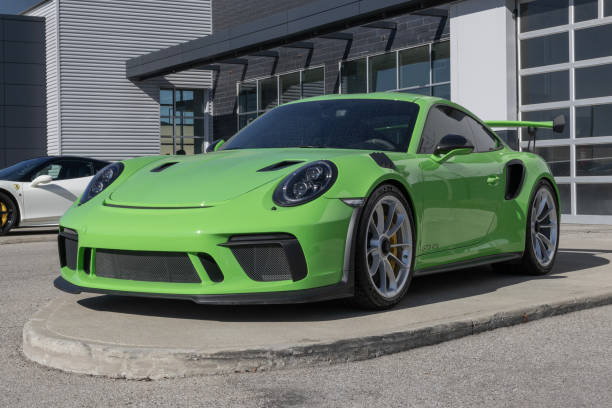
The Porsche 911 is one of the few vehicles in the world to have attained legendary status. It has been a representation of speed, accuracy, and classic design for many years. The 911 is always brought up when discussing sports cars that combine technical mastery with emotional resonance. Discover how a single design became one of the most iconic cars ever created with this guide to Porsche 911 generations.
There is more to the Porsche 911’s story than horsepower and lap times. The idea of constant evolution without identity loss is at the heart of it. Every 911 generation since its launch in the early 1960s has improved upon the same fundamental concept: a rear-engine sports vehicle that provides unadulterated driving enjoyment. The 911 is a masterpiece of automotive design because it strikes a balance between tradition and innovation.
The Birth of a Legend: The Original 911 (1964–1973)
Every great tale has a beginning, and the 911’s began with a straightforward idea: to create a vehicle that could take the place of the Porsche 356 while feeling more sophisticated, cozy, and potent. The end product was the first-generation Porsche 911, which was internally referred to as the 901 prior to a change brought about by Peugeot’s naming rights. When it launched in 1964, it was unlike anything the world had seen.
The sleek and classic silhouette of the original 911 would serve as the basis for all subsequent models’ designs. Its air-cooled, rear-mounted flat-six engine generated 130 horsepower, which was an exciting amount at the time. It was lightweight, nimble, and could go from 0 to 60 miles per hour in about nine seconds, but its handling was what really set it apart.
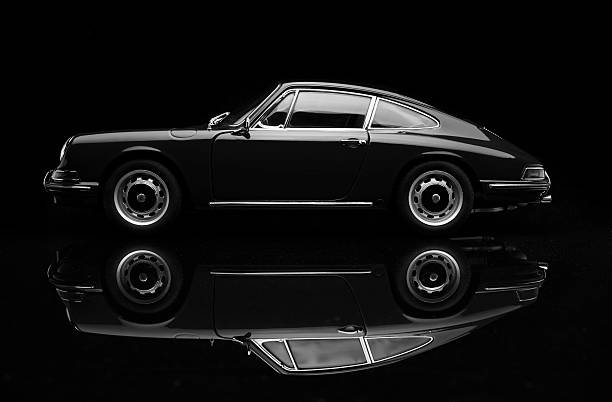
The original 911 was frequently characterized by drivers as vibrant, unique, and occasionally erratic. Its handling dynamics were unique due to the rear-engine layout, which demanded respect from drivers. It gave experienced drivers feelings that no other vehicle could replicate.
Porsche kept improving the 911 in the late 1960s. With its detachable roof panel, the 1967 Targa model provided open-top freedom without sacrificing safety. The wheelbase was increased in 1969 to increase handling and stability. The 911S’s 1967 introduction, which increased performance to 180 horsepower, paved the way for the vehicle’s success in racing.
The 911 had already established itself as a legend by the time production concluded in 1973. However, Porsche was only at the start of a journey that would last for many generations.
The 911 G-Series (1974–1989): Building Strength and Character
Many sports cars vanished in the 1970s as a result of tighter safety and emissions regulations. Porsche, however, adjusted. The G-Series, the second generation of the 911, made its debut in 1974 with major upgrades that guaranteed the 911’s continued existence.
New impact bumpers that complied with US crash standards were the most obvious modification. They developed into a recognizable visual cue and, to many fans, a characteristic of the time period. Better materials and increased comfort were also added to the interior, making the 911 appropriate for daily driving as well as racing.
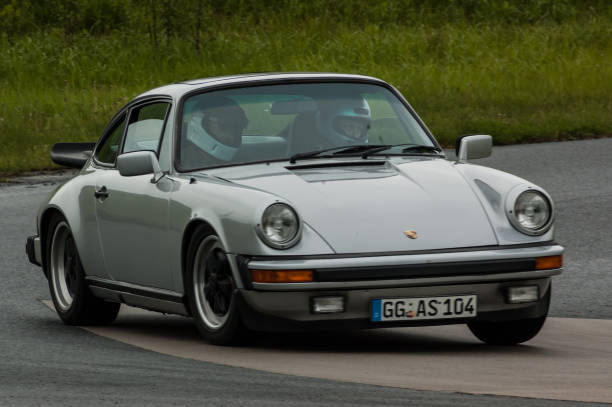
Porsche debuted the 911 Turbo, also known as the 930, in 1975. It was a beast of its era, with its enormous rear wing, wide rear fenders, and turbocharged flat-six engine that produced 260 horsepower. With nicknames like “The Widowmaker” for its wild power delivery and tail-happy nature, the 930 Turbo soon gained a reputation as both thrilling and dangerous. However, it also rose to fame and established the 911 family’s performance benchmark.
Porsche made even more improvements to the 911 in the 1980s. Reliability, usability, and refinement were added to the 911 SC and Carrera 3.2 models without sacrificing the unadulterated thrill that made them unique. By 1989, the 911 Turbo and the Carrera Speedster, in particular, were cherished classics that embodied the passion and uniqueness of the time.
The G-Series proved that Porsche could evolve without sacrificing soul. It kept the spirit of the original alive while improving safety, performance, and luxury.
The 964 Generation (1989–1994): The Bridge Between Eras
Change occurred in the late 1980s. The automotive industry was changing due to technology, and Porsche knew it needed to adapt. Presenting the Porsche 964, a generation that represented one of the most significant advancements in the history of the vehicle.
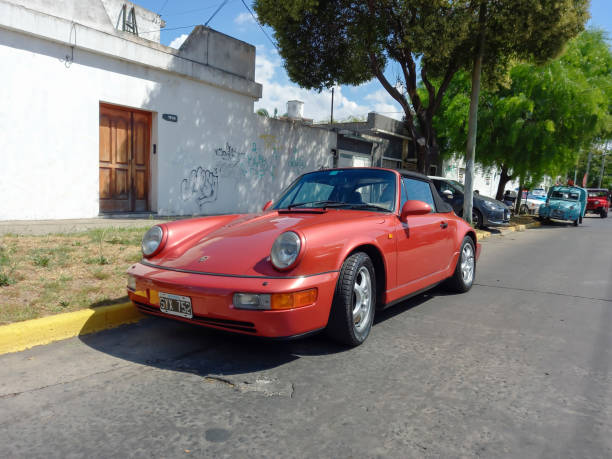
The 964 retained the recognizable 911 shape and appeared familiar at first glance. It was almost 85% new underneath, though. The 911’s optional all-wheel-drive system, which was taken from the 959 supercar, was available for the first time. Torsion bars were swapped out for contemporary coil springs and shocks in a comprehensive redesign of the suspension.
The car’s 3.6-liter flat-six engine produced 247 horsepower, and thanks to advancements in aerodynamics, it was able to surpass 160 mph. It was also the first 911 with ABS brakes and power steering, adding comfort and safety to the venerable platform.
The 911 Carrera RS, a lightweight, purist model that embraced driving in its most unadulterated state, was arguably the most adored 964 variant. The renowned 911 Turbo 3.6, an engineering marvel that is still among the most sought-after models ever produced, was also born out of the 964.
The 964 was more than just an advancement; it was a link between contemporary performance engineering and the heritage of Porsche.
The 993 Generation (1995–1998): The Last Air-Cooled 911
The 993 is the pinnacle of the Porsche 911 generations guide for purists. It marked the symbolic end of an era because it was the final 911 to use the recognizable air-cooled engine.
Compared to its predecessors, the 993 was faster, smoother, and more sophisticated. While maintaining the iconic silhouette, its design was updated with integrated bumpers and enhanced aerodynamics. In the base Carrera, the 3.6-liter engine generated 272 horsepower; in the 911 Turbo S, it could reach 450 horsepower.
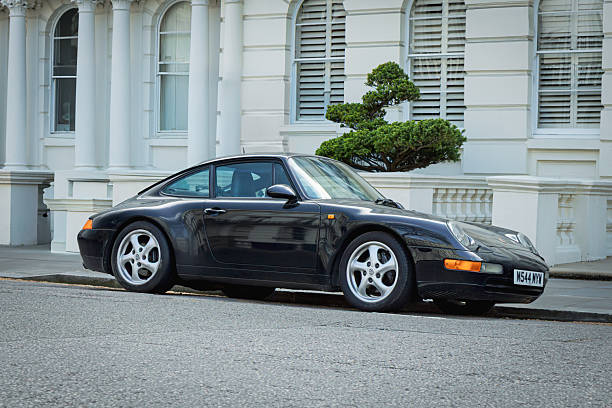
Although the 993’s performance was amazing, its balance was what really set it apart. It offered both analog feel and everyday usability, fusing modern engineering with vintage charm. Because it maintained all the features that drivers cherished about the vintage models while providing the dependability and comfort of a contemporary vehicle, enthusiasts frequently refer to the 993 as the “perfect 911.”
With the introduction of twin turbochargers and all-wheel drive, the 993 Turbo revolutionized the 911 and made it a true supercar. It is still admired today for its classic style and sturdy construction.
When production ended in 1998, many fans mourned the end of the air-cooled era. But Porsche was ready to reinvent its legend once again.
The 996 Generation (1999–2004): The Controversial Modernizer
A new era, one that was both innovative and contentious, began with the arrival of the 996. Traditionalists were offended by this 911’s first use of a water-cooled engine, but it was required to meet contemporary performance and emissions regulations.
The 996 debuted a brand-new look, bigger proportions, and a more upscale cabin. The 911 entered the realm of supercars with its 3.4-liter flat-six engine, which generated 296 horsepower, and the 996 Turbo, which produced 420 horsepower.
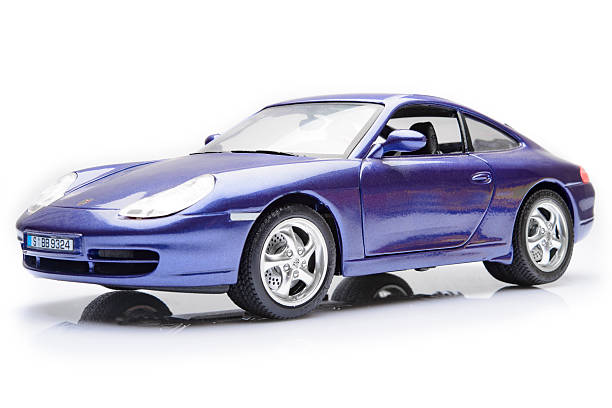
The “fried egg” headlight design, however, generated conflicting opinions. Many admirers thought it lacked the individuality of earlier models. However, respect for the 996 has increased over time. It signaled Porsche’s entry into the twenty-first century and was lighter, faster, and more efficient.
The 996 was also the first to feature the GT3 variant—a track-focused masterpiece that redefined performance driving. With its naturally aspirated engine, lightweight body, and sharp handling, the 996 GT3 set the tone for future performance 911s.
By the end of the 996 era, Porsche had established the 911 as not just a sports car, but a symbol of relentless progress.
The 997 Generation (2005–2012): The Return of Emotion
The 997 generation was Porsche’s answer to critics who missed the character of older 911s. It brought back the classic round headlights, refined the proportions, and elevated both performance and luxury to new heights.
The base 997 Carrera started with 325 horsepower, while the 997 Turbo used variable-geometry turbos to deliver up to 480 horsepower and jaw-dropping acceleration. The GT3, GT2, and GTS models became instant legends among enthusiasts.
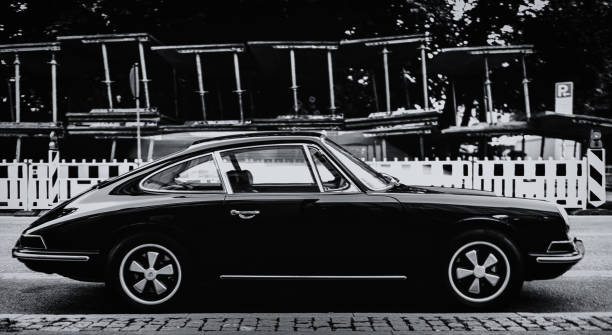
But what made the 997 truly special was how it felt to drive. The steering feedback, the sound of the flat-six engine, and the perfect balance between comfort and aggression made it one of the most loved generations ever.
It also introduced modern features like the PDK dual-clutch transmission, improving both speed and efficiency. The 997 represented the perfect harmony of tradition and innovation—the spirit of Porsche captured in steel, leather, and motion.
The 997 Generation (2005–2012): Bridging Heritage and Modernity
The Porsche 911 entered a new era with the 997 generation. After some debate over the 996’s design, Porsche decided to return to the 911’s iconic round headlights—a move that was welcomed by enthusiasts. The 997 reintroduced the elegance that many purists had missed while maintaining modern performance.
The 997 came with significant improvements in both style and engineering. The cabin felt more refined, luxurious, and driver-focused, while the engine lineup offered a thrilling variety of choices. The standard Carrera came with a 3.6-liter flat-six producing around 325 horsepower, while the Carrera S packed a 3.8-liter engine pushing 355 horsepower. Porsche also introduced models like the Carrera 4, Targa, Turbo, GT3, and GT2—each fine-tuned for a specific driving experience.
One of the biggest achievements of the 997 was how it brought back the emotional connection between the driver and the car. It balanced raw excitement with daily usability. The steering felt precise, the handling intuitive, and the sound of the engine behind you—pure music for car lovers.
In 2008, Porsche released the 997.2 update, introducing direct fuel injection, a new dual-clutch PDK transmission, and cleaner engines. These updates made the car not only faster but also more efficient. It was during this time that the Porsche 911 became a near-perfect blend of heritage and innovation.
The 991 Generation (2012–2019): The Modern Icon
When the 991 generation arrived, it marked a major leap forward. The car grew larger, wider, and more technologically advanced than ever before. Some purists were concerned that the 911 might lose its intimate, lightweight feel, but Porsche managed to prove them wrong once again.
The 991 introduced an entirely new platform with a longer wheelbase and a more rigid chassis. This resulted in better stability and comfort without sacrificing the car’s agility. The design looked sleeker and more sculpted—an evolution that made the 911 appear modern but unmistakably classic.
Under the hood, the 991 Carrera models initially featured naturally aspirated engines. However, in 2016, the 991.2 update switched to smaller 3.0-liter twin-turbocharged engines across the Carrera lineup. This move sparked debate among fans, but the results were undeniable—the turbo engines provided more power, torque, and efficiency while maintaining the car’s spirited character.
Inside, the 991 offered a driver-centric cabin filled with technology. Porsche Communication Management, adaptive cruise control, and customizable driving modes became standard features. The 991 also introduced the 911 Carrera T, GT3 RS, and the unforgettable 911 R—each designed to appeal to different aspects of a driver’s soul, from raw performance to nostalgic purity.
This generation solidified the 911 as a car that could do everything—track day warrior, daily commuter, or long-distance grand tourer. It proved that Porsche could embrace modernity without losing its legendary DNA.
The 992 Generation (2019–Present): The Digital 911
The latest chapter in the Porsche 911 generations guide is the 992 series—a car that defines the future of the sports car. It’s larger, smarter, and more powerful than ever before, yet it still carries the same heart that made the first 911 so beloved.
The 992 embodies the idea of timeless evolution. From the outside, its design feels instantly familiar yet thoroughly modern. The wider stance, LED light bar at the rear, and cleaner body lines give it an aggressive yet elegant appearance. Inside, Porsche has created one of the most refined and high-tech cabins in the world of performance cars.
The 992 Carrera models use a 3.0-liter twin-turbocharged engine, producing between 379 and 473 horsepower depending on the variant. It comes with either an 8-speed PDK transmission or a 7-speed manual for purists who still crave the old-school connection. The Turbo and Turbo S versions push the limits even further, delivering breathtaking acceleration that rivals supercars.
But what truly sets the 992 apart is its technology. The car features advanced driver aids, an adaptive chassis, improved aerodynamics, and even hybrid-ready engineering for the future. Despite all these advancements, Porsche managed to keep the car’s character intact. The way it drives, the sound it makes, the way it connects you to the road—it’s still a 911 through and through.
The Spirit of the 911: Why It Endures
Across six decades and multiple generations, the Porsche 911 has achieved something extraordinary—it has evolved continuously while never losing sight of what made it special. Every new version adds something new, but the essence remains the same: the balance of performance, emotion, and precision.
Driving a 911 is not just about speed; it’s about connection. It’s the feel of the steering wheel vibrating under your palms, the hum of the engine behind you, the sense of control as you take a corner with confidence. It’s a reminder that a car can be more than a machine—it can be a companion, a memory-maker, a lifelong dream fulfilled.
For car enthusiasts, the Porsche 911 represents something deeply emotional. It’s not just about horsepower or technology—it’s about the story each car tells, the people who drive them, and the passion that fuels their journeys.
Table: Overview of Porsche 911 Generations
| Generation | Years Produced | Key Features | Engine Type | Notable Models |
|---|---|---|---|---|
| 901 / Classic 911 | 1964–1973 | Air-cooled, pure design, first iconic look | Flat-six (2.0–2.4L) | 911S, 911T, 911E |
| G-Series | 1973–1989 | Impact bumpers, increased safety | Flat-six (2.7–3.2L) | 911 SC, Carrera 3.2 |
| 964 | 1989–1994 | AWD intro, ABS, power steering | Flat-six (3.6L) | Carrera 4, Turbo |
| 993 | 1995–1998 | Last air-cooled model, modern refinement | Flat-six (3.6L) | Carrera, Turbo, 4S |
| 996 | 1999–2004 | First water-cooled, new era | Flat-six (3.4–3.6L) | Carrera, Turbo, GT3 |
| 997 | 2005–2012 | Return to round lights, PDK intro | Flat-six (3.6–3.8L) | Carrera S, GT3 RS |
| 991 | 2012–2019 | Longer, turbocharged engines | Flat-six (3.0–4.0L) | Carrera, 911 R, GT3 RS |
| 992 | 2019–Present | Digital cockpit, advanced tech | Flat-six turbo (3.0L) | Carrera 4S, Turbo S, Targa |
The Future of the Porsche 911
As we look ahead, the future of the Porsche 911 is as exciting as its past. Porsche has confirmed plans for electrified versions of the 911, ensuring it stays relevant in a changing automotive world. While purists may worry, the brand has consistently proven its ability to innovate without losing its core identity.
The 911’s future likely includes hybrid technology that enhances performance while reducing emissions. Porsche’s engineers are carefully crafting this evolution to ensure it continues to feel like a true 911. The company’s vision is not to replace its legacy but to extend it—to make sure that future generations can experience the same emotional thrill as those who came before.
Final Thoughts
The Porsche 911 generations guide is more than a timeline—it’s a testament to what happens when a brand listens to its passion and refuses to compromise. From the early air-cooled classics to today’s technologically advanced masterpieces, every generation adds a chapter to a story that has inspired millions.
For anyone who loves cars, the 911 isn’t just another sports car—it’s a legend that represents balance, beauty, and brilliance. Whether it’s the nostalgic charm of a 993 or the futuristic thrill of a 992, the Porsche 911 stands as proof that evolution can be timeless when guided by passion.
And as new roads open and technology advances, one thing remains certain: the Porsche 911 will continue to lead the way—not just as a machine, but as an emotion in motion.
