

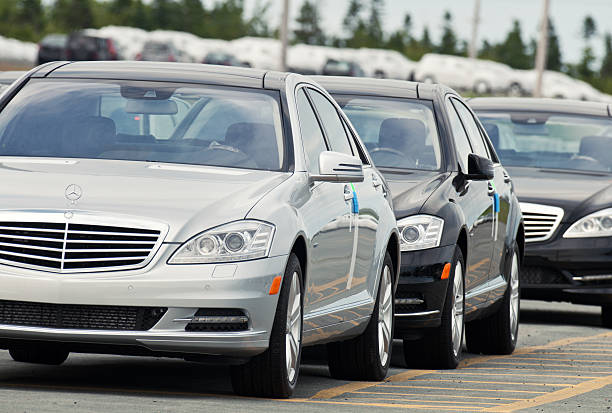
One of the first things that springs to mind when relocating your car across the nation or even just within a state is what factors influence the cost of shipping a car. Because car shipping involves a number of factors that combine to determine the final cost, the answer is more complex than a single flat rate. Knowing these factors can help you make better decisions and potentially save money without compromising safety or dependability, whether you’re shipping a high-end luxury car, a vintage collectible, or a family sedan.
Moving wheels and metal from one location to another is only one aspect of shipping an automobile. It’s about entrusting a business with something personal, like a car that holds your comfort, memories, and occasionally even your pride. Knowing what factors influence the cost of shipping a car is therefore more than just a financial consideration; it’s also a practical and emotional choice that requires careful thought.
Let’s take a closer look at the main variables that affect car shipping costs and how you can take advantage of that information.
1. Distance and Location
Distance is the most obvious factor. The cost of the car will increase with the distance it must travel. However, the locations involved are just as important as the distance. Because carriers usually operate in major metropolitan areas with high demand for vehicle transport, those areas typically have more competitive rates. However, because carriers may have to travel additional miles off of major routes, expect slightly higher prices if you live in or are shipping to a rural area.
For instance, because major cities have established transport routes and more carriers available, shipping an automobile from Los Angeles to New York will cost less per mile than shipping the same vehicle from a small Wyoming town.
Whether you opt for terminal-to-terminal or door-to-door delivery is another factor to take into account. Although it is more convenient, door-to-door delivery—in which the carrier picks up and drops off your car at predetermined locations—may be more expensive than using shipping terminals.
2. Type of Transport: Open vs. Enclosed Carrier
The kind of carrier you choose is one of the most crucial factors to consider when examining the factors that influence the cost of shipping an automobile.
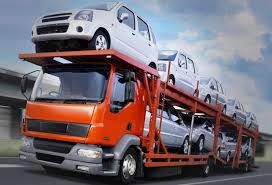
The most popular and economical choice is an open carrier. These are trucks with several cars stacked in two layers that you have undoubtedly seen on highways. They are popular and effective, which lowers expenses. However, it might not be the best option for luxury or vintage cars because your car is exposed to the elements (rain, sun, dust, or road debris).
However, by moving your vehicle in a covered trailer, an enclosed carrier provides the highest level of protection. This option guarantees that your car will arrive in perfect condition by protecting it from the elements and possible road hazards. Naturally, the cost of this additional protection is higher; it is frequently 30% to 50% higher than that of open transport.
For peace of mind alone, enclosed transport is worth the extra money if you’re shipping an expensive or exotic vehicle.
3. Size and Weight of the Vehicle
The cost of transportation is directly impacted by the weight and size of your car. Fewer vehicles can be loaded onto a single truck because larger vehicles, such as SUVs, trucks, or vans, require more room on the carrier and weigh more. This affects the total cost of shipping for each vehicle.
Because they weigh less and take up less space, smaller, more compact cars are less expensive to ship. Transportation regulations set weight limits for each carrier, and going over those can raise the overall cost.
Changes may also be involved. Cars with oversized tires, roof racks, or raised suspensions can increase the height or weight of your vehicle and necessitate special handling or equipment, which can raise the final cost.
4. Vehicle Condition
The operability of your vehicle is another factor that affects the cost of shipping a car. It will be less expensive to transport a car that runs and is simple to drive onto the trailer. It will need to be winched or lifted using specialized equipment if it cannot start or move on its own, which will take more time and effort from the transport crew.
Shipping an inoperable vehicle usually costs between $100 and $200 more than shipping a running vehicle. Therefore, in order to avoid paying extra money, it’s a good idea to confirm that your car is in working order before scheduling transportation.
5. Time of Year and Seasonal Demand
It may surprise you to learn that the season in which you ship your vehicle can significantly impact the price. Like airlines or hotels, the demand for auto transport varies throughout the year.
Demand and prices both rise in the summer when more people move or take extended vacations. In a similar vein, winter presents special difficulties, particularly in colder climates where icy roads and snow make travel routes more challenging and occasionally longer.
For example, retirees known as “snowbirds” who relocate south in the winter frequently ship their vehicles to states with higher temperatures, such as Florida or Arizona. Seasonal price increases result from this spike in demand. You can save a lot of money by scheduling your shipment for off-peak months.
6. Delivery Method and Speed
How soon you want your car delivered is another important consideration when figuring out what influences the cost of shipping it. Depending on the distance and carrier availability, standard shipping typically takes one to two weeks. You can frequently get a better deal if you’re flexible.
You will have to pay for expedited or express shipping, though, if you need your car right away. Although expedited shipping ensures quicker pickup and delivery, frequently in a matter of days, the price can increase by as much as 30%.
In addition to speed, your delivery preference matters. Door-to-door service is convenient because the carrier collects and delivers your car to specific addresses. Terminal-to-terminal shipping, on the other hand, requires you to drop off and pick up the vehicle at designated transport hubs. The latter is cheaper but less convenient.
7. Fuel Prices and Economic Conditions
Fuel costs are one element that is frequently disregarded when talking about what influences the cost of shipping an automobile. Shipping rates are directly impacted by changes in fuel prices because carriers rely on it for cross-country travel. Transport companies modify their rates in response to rising gas prices in order to offset increased operating costs.
The state of the economy also matters. Rate increases may result from supply chain interruptions, driver shortages, or inflation. You can choose the best time to schedule your shipment for the best deal by being aware of these outside factors.
8. Shipping Route and Accessibility
Not every path is made equally. High transportation volumes on major highways and well-traveled routes, such as Chicago to New York or Los Angeles to Miami, result in lower prices because of competition.
On the other hand, because carriers might have to make extra efforts to deliver your package, less-traveled or difficult-to-reach locations are more expensive. It’s also important that pickup and drop-off locations are easily accessible. Large carriers may not be able to reach your location directly due to narrow streets, parking restrictions, or mountainous terrain; in these cases, smaller shuttle trucks may be required, which could result in additional expenses.
9. Insurance and Liability Coverage
When learning what affects the price to ship a car, insurance coverage is one factor you can’t ignore. The majority of trustworthy shipping companies quote a basic insurance policy, but this might not be enough to cover the entire value of your car, particularly if it’s a luxury or exotic model.
Costs increase with increased insurance coverage, but peace of mind is also guaranteed. For complete protection, you might want to get supplemental insurance if the value of your car is higher than the limits of your regular policy. This extra precaution guarantees that you are completely covered in the event of an unforeseen circumstance during transportation.
10. Type of Service Provider
Not every shipping company is the same. Some are brokers who work with a network of carriers to arrange the shipment on your behalf, while others are carriers who move your car physically.
Brokers frequently provide greater availability and flexibility, but you may have to pay a nominal service charge for their coordination. Conversely, carriers might offer somewhat cheaper prices but fewer options for scheduling.
It’s crucial to look into customer feedback, service dependability, and company reputation before selecting either. Choosing a trustworthy company may be a little more expensive up front, but it will prevent expensive errors, delays, and possible damage to your car later on.
11. Special Requests or Additional Services
Your needs may occasionally exceed those of a typical car transport. The use of non-stop transport services or special requests like top-load placement—where your car rides on the upper deck of the carrier to avoid road debris—can increase the cost.
Pricing is also impacted by other optional services like car tracking, enclosed shipping for high-end models, or personalized delivery scheduling. Even though these extras cost extra, they frequently offer better protection and convenience, making them worthwhile investments for expensive cars.
A careful balance must be struck between cost, convenience, and safety when shipping a car. The sum of these elements determines the ultimate cost you incur. However, being aware of them enables you to take charge of the procedure rather than being taken aback by unforeseen expenses.
After discussing the primary factors that influence pricing, let’s move on to the next section of this comprehensive guide, which will go into greater detail about cost-effective management techniques.
The Emotional and Practical Journey Behind Car Shipping Costs
Knowing What Affects the Price to Ship a Car is about more than just the numbers; it’s about value, trust, and feelings. Every car has a backstory, and when you’re getting ready to move it, you’re moving memories rather than just metal. The shipping process should be handled with consideration, regardless of whether it’s your first sports car, a luxury sedan you’ve worked years to acquire, or a family vehicle filled with memories. Let’s examine how this financial and emotional equilibrium affects the actual cost of auto shipping in more detail.
The Influence of Time and Flexibility
Most people are unaware of how important timing is when shipping a car. You will have to pay more for expedited service if you need your car delivered right away. The additional coordination needed to prioritize your shipment and guarantee a quicker delivery is covered by this premium. On the other hand, you can frequently get better prices if you are flexible with the dates of pickup and delivery.
Shipping firms focus on route optimization and availability. The cost goes down when your schedule fits in with the routes that are already in place. Therefore, flexibility plays a crucial role in regulating the factors that impact the cost of shipping a car and is not just convenient. Making an early reservation can also help lock in a more favorable rate before demand spikes, especially for those who are planning months in advance of a move or car purchase.
Seasonal Shifts: The Hidden Cost Factor
Like airfare or hotel rates, shipping costs change with the seasons. Routes leading to states like Florida, Texas, and Arizona see an increase in demand during the winter months due to snowbirds, people who migrate south in search of warmer weather. In a similar vein, summertime frequently sees a rise in demand as a result of student relocation, car purchases, and relocations.
Carriers have full loads and prices increase during periods of high demand. You can anticipate cheaper prices during off-peak seasons when routes are less congested. You can drastically cut costs by carefully planning when to ship. You can make more informed decisions and gain a better understanding of what influences the cost of shipping a car by being aware of these seasonal trends.
The Power of Route and Geography
Not every path is made equally. Due to high traffic volumes and steady carrier availability, major city-to-city routes are typically less expensive. For instance, compared to a pickup or delivery in a rural area, shipping from Los Angeles to New York is frequently less expensive per mile. Carriers must deviate from their regular routes to reach remote areas, which increases fuel consumption and time, ultimately increasing the final cost.
The route itself is also influenced by geography. Road restrictions, weather, and mountainous terrain can all affect how long and how much a transport takes. You can frequently cut costs without sacrificing quality or safety by picking a pickup or drop-off location close to a major interstate.
Carrier Type and Its Impact
When it comes to how your car travels, you have two main choices: open transport and enclosed transport.
Open transport is the most common and affordable method. Your vehicle is shipped on an open trailer with several others, exposed to weather but still secure. It’s ideal for standard vehicles that don’t require extra protection.
Enclosed transport, on the other hand, offers full coverage. It shields your car from dirt, debris, and weather conditions—perfect for luxury, exotic, or vintage cars. This method can cost 30% to 60% more than open transport, but for those who value their car’s pristine condition, it’s worth every penny.
Understanding this difference is crucial when deciding what matters most—budget or complete protection. It’s one of the most important details in What Affects the Price to Ship a Car.
The Emotional Cost of Care and Trust
Shipping a car isn’t just a transaction—it’s an exchange of trust. You’re handing over something valuable, expecting it to arrive safely and on time. That’s why many car owners pay a bit more for companies with stellar reputations, better insurance coverage, and transparent customer service.
The peace of mind that comes from knowing your car is in good hands is priceless. A slightly higher price can reflect better tracking systems, professional drivers, and a smoother experience overall. When evaluating What Affects the Price to Ship a Car, don’t overlook the emotional comfort of working with a trustworthy provider.
The Role of Fuel Prices and Market Fluctuations
Fuel costs are a constant yet unpredictable influence on shipping prices. When gas prices rise, carriers pass on a portion of those costs to customers. Similarly, broader market trends like labor shortages or inflation can subtly impact shipping rates.
Though these factors are out of your control, staying informed helps set realistic expectations. Checking average fuel prices or market reports before booking transport gives you a clearer picture of current trends—and why prices may differ month to month.
How Vehicle Condition Affects Costs
A car that runs smoothly and can be driven onto the trailer is cheaper to ship than one that doesn’t. Non-running vehicles require special equipment like winches or lift gates to load safely. This adds time, effort, and cost.
If your vehicle is inoperable, always inform your shipping company upfront. Not doing so could lead to unexpected charges on the day of pickup. This detail may seem small, but it’s one of the most overlooked factors in What Affects the Price to Ship a Car.
Door-to-Door vs. Terminal-to-Terminal Service
Door-to-door shipping is the most convenient but also slightly more expensive option. The carrier picks up your vehicle from your desired location and delivers it directly to your destination. This service saves time but may cost more due to accessibility issues in certain neighborhoods.
Terminal-to-terminal shipping, however, is cheaper but requires you to drop off and pick up your car at designated hubs. It’s less flexible but cost-effective, especially for those near major cities. Choosing between these two options depends on how much convenience you value compared to your budget.
Insurance and Peace of Mind
Insurance coverage is a subtle but vital element in understanding What Affects the Price to Ship a Car. Most carriers provide basic coverage, but premium options can offer extended protection against rare but possible incidents.
Before confirming your booking, always read the insurance policy carefully. A slightly higher price for better coverage could save you from costly losses. It’s not just about moving a car—it’s about safeguarding your investment.
Tips to Minimize the Shipping Cost
- Book early – Avoid last-minute urgency surcharges.
- Be flexible with dates – Let the carrier schedule you when it fits their route.
- Choose open transport if possible – Ideal for everyday vehicles.
- Avoid peak seasons – Ship during spring or fall for better rates.
- Use major routes – Pick or drop near main highways.
- Compare quotes – Don’t just settle for the first offer.
- Maintain your vehicle – Running condition helps reduce loading costs.
These small steps can collectively make a big difference in how much you pay without compromising service quality.
The Emotional Connection: Beyond the Numbers
Every car has a heartbeat—a reminder of journeys taken, roads explored, and dreams fulfilled. When you ship your car, you’re entrusting that story to someone else’s hands. Understanding What Affects the Price to Ship a Car helps you make choices that honor both your emotions and your investment.
Whether you’re relocating, gifting a car, or sending a collectible to a show, remember that the process isn’t just about logistics. It’s about care, responsibility, and respect for the story your car carries.
Conclusion: The True Value of Car Shipping
What Affects the Price to Ship a Car ultimately comes down to how much you value your car’s safety, your peace of mind, and the whole experience, not just fuel prices, distance, or service types.
Although a professional, trustworthy car shipping service may be slightly more expensive, the trust and emotional comfort it provides make the difference. Car shipping, like any significant journey, is about the path followed, the final destination, and the satisfaction that comes from knowing that something valuable arrived exactly as it should.
When you take a broader view, you’ll see that the promise is more important than the cost. And when that promise is kept, every mile becomes an opportunity for connection and care.
