


Japan has produced some of the most memorable performance cars in automotive history. From legendary sports cars to lightweight roadsters and rally-inspired machines, Japanese manufacturers have repeatedly shown that driving enjoyment does not always require enormous engines or extravagant luxury.
But sometimes, finding the true character of a country’s automotive culture requires getting behind the wheel.
For me, that search led to the Toyota GR Yaris.
At first glance, it is easy to underestimate the car. It is a small hatchback, compact enough to disappear into everyday city traffic. But beneath its modest proportions is a machine developed with serious motorsport influence, all-wheel drive and an unusually focused approach to performance.
The GR Yaris doesn’t simply feel like a fast version of an ordinary hatchback. It feels like a car created because Toyota genuinely wanted to build something exciting.
A Small Car With a Serious Mission
The GR Yaris was born from Toyota’s involvement in the World Rally Championship. Rather than simply adding a larger engine to an existing Yaris and calling it a performance model, Toyota developed a heavily modified platform specifically for the GR version.
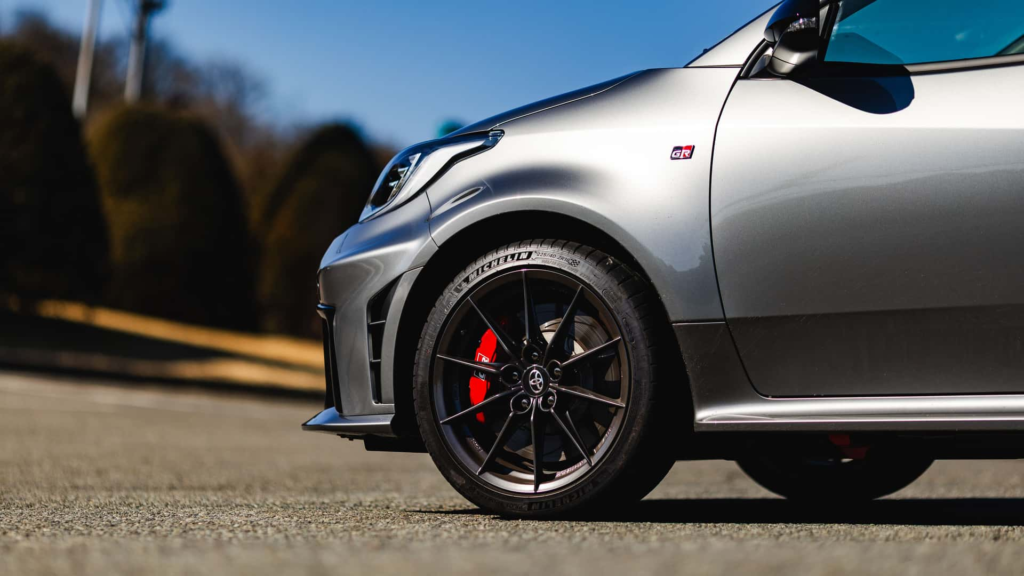

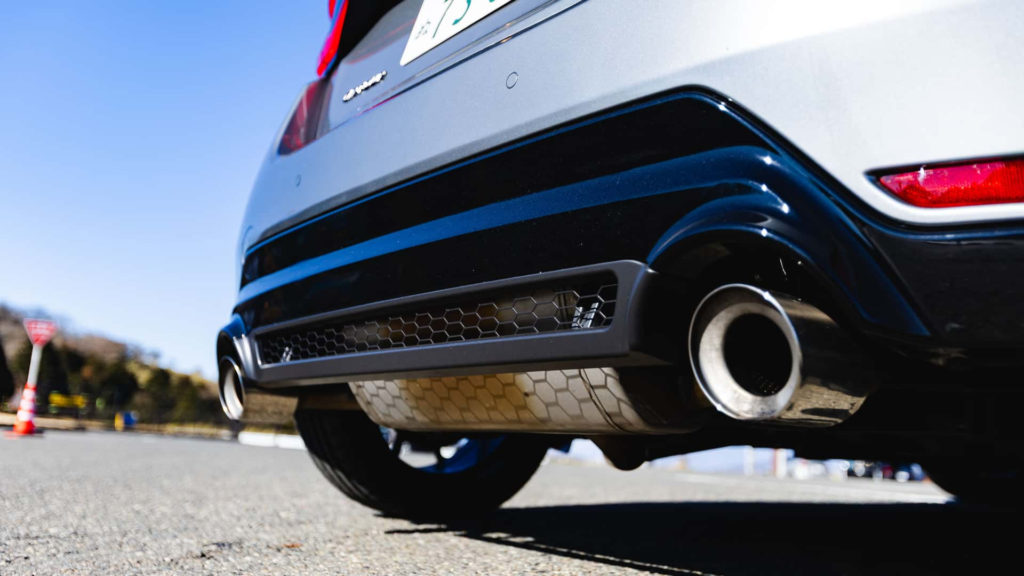
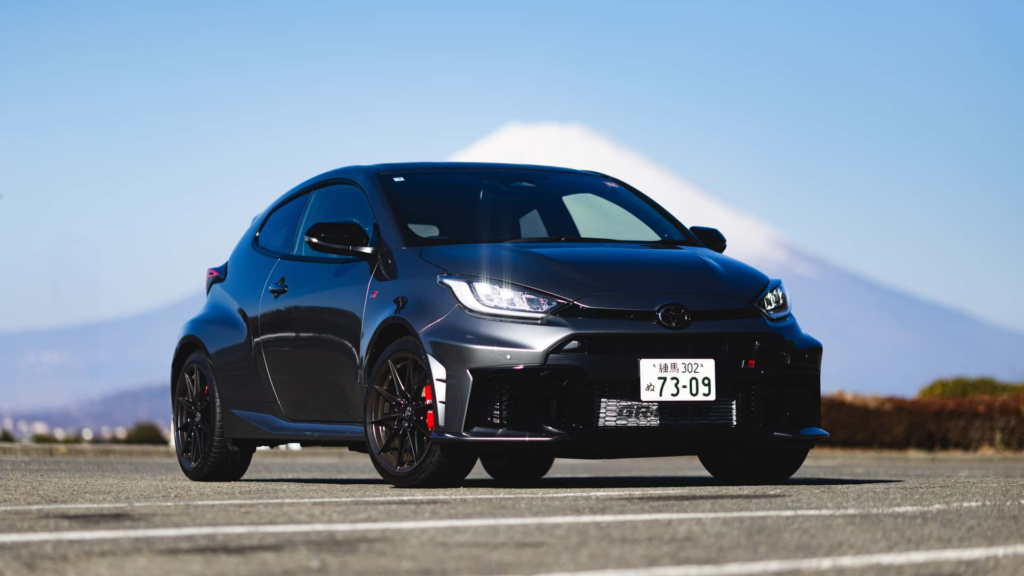
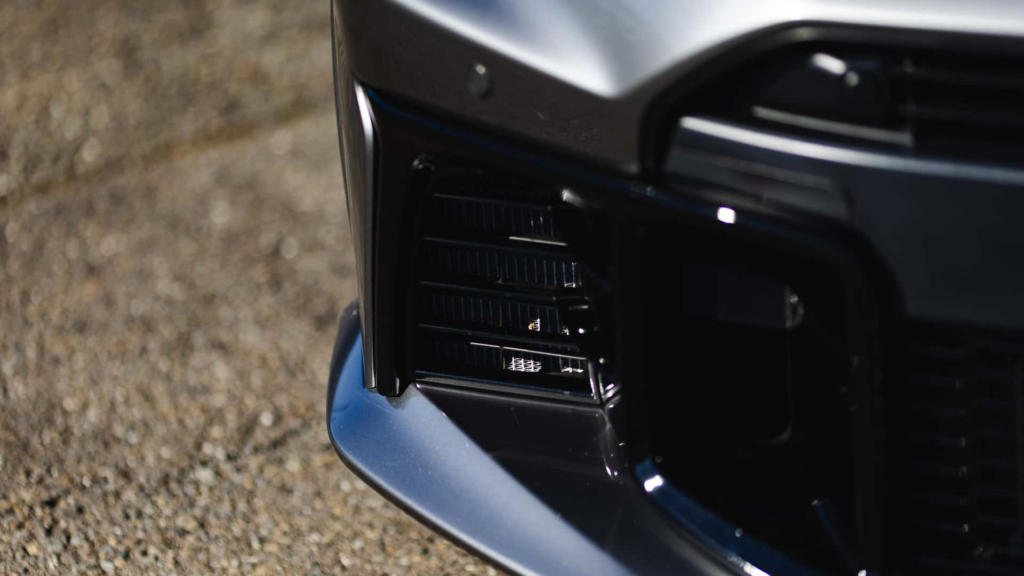
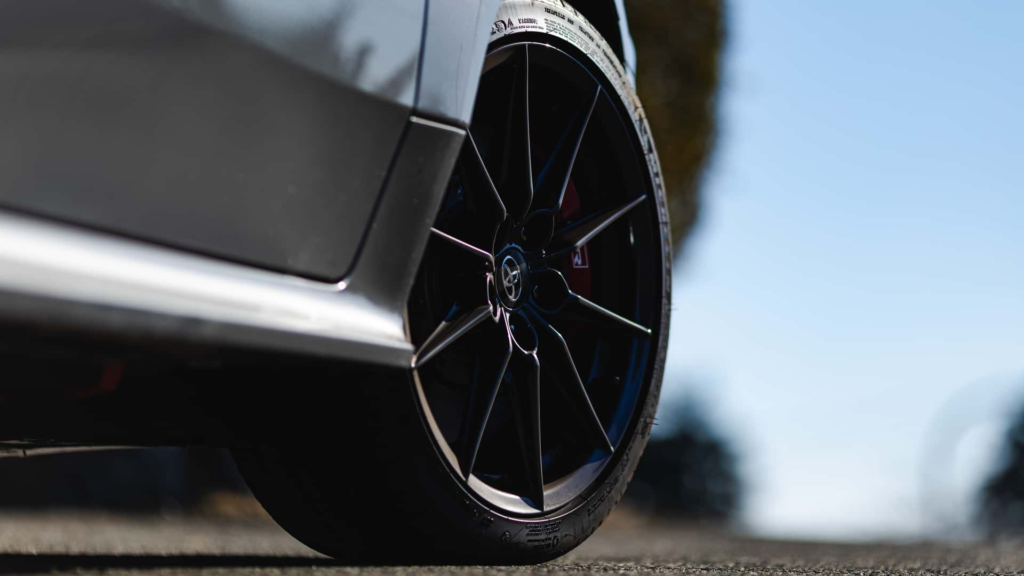
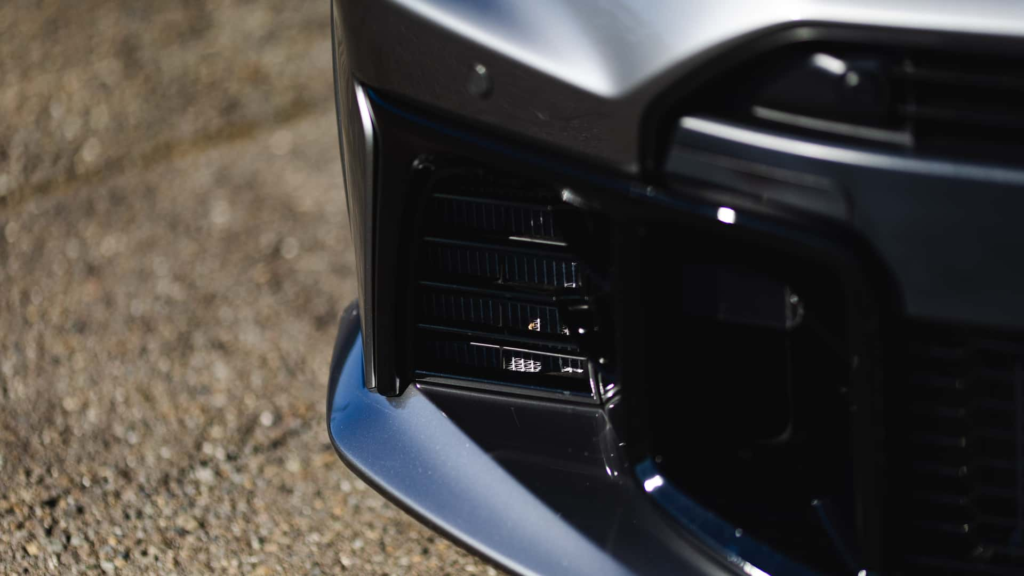
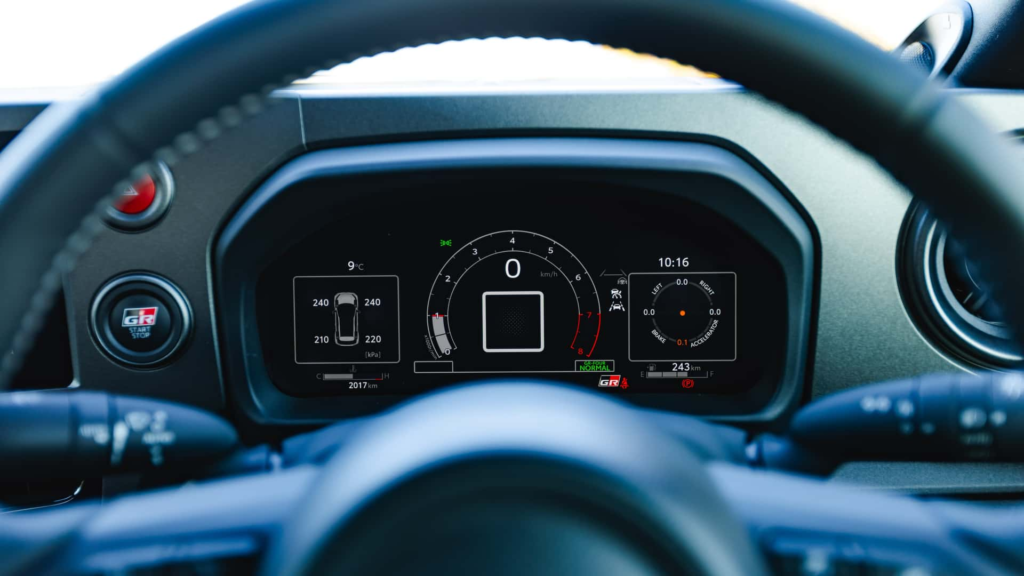
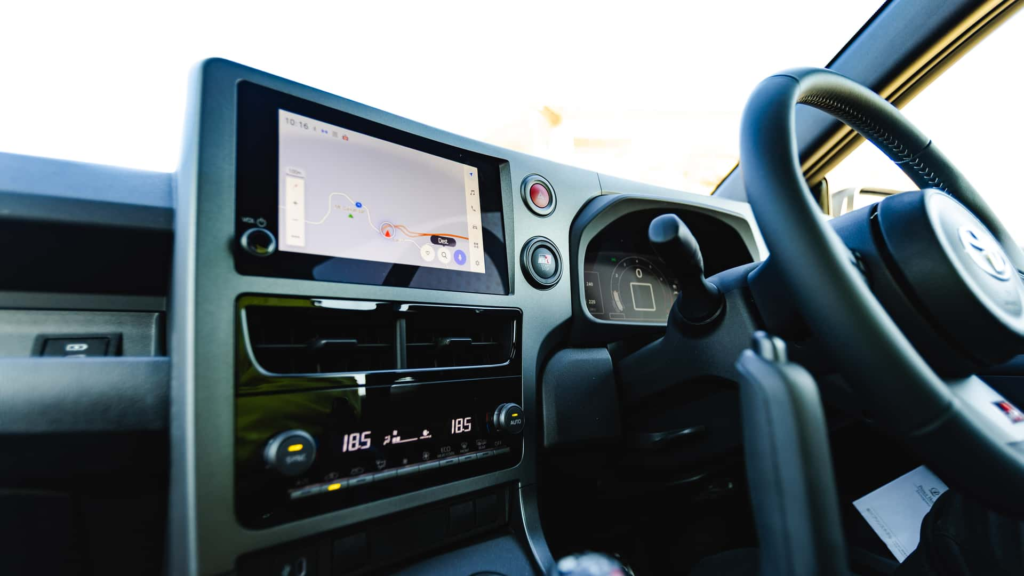
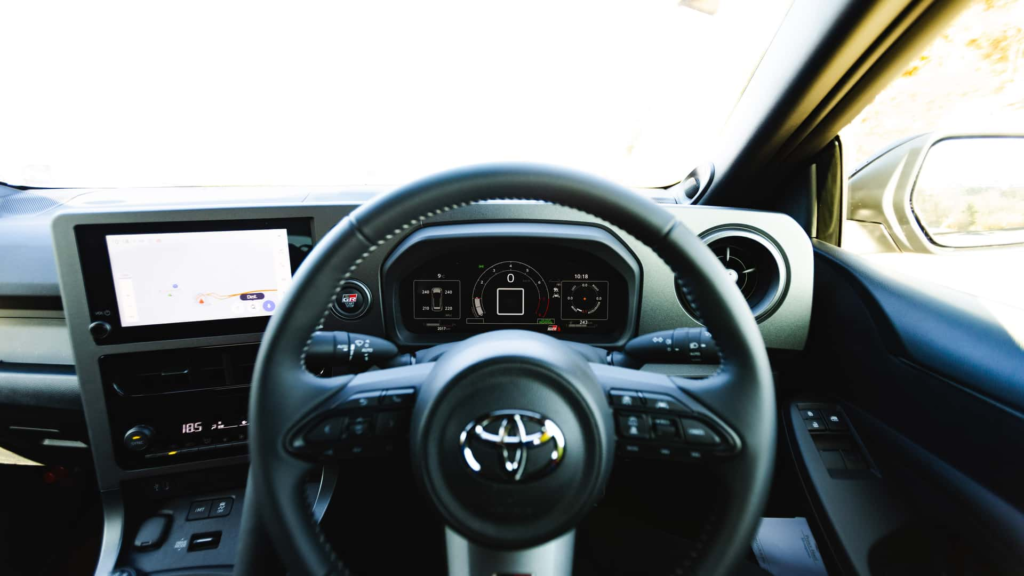
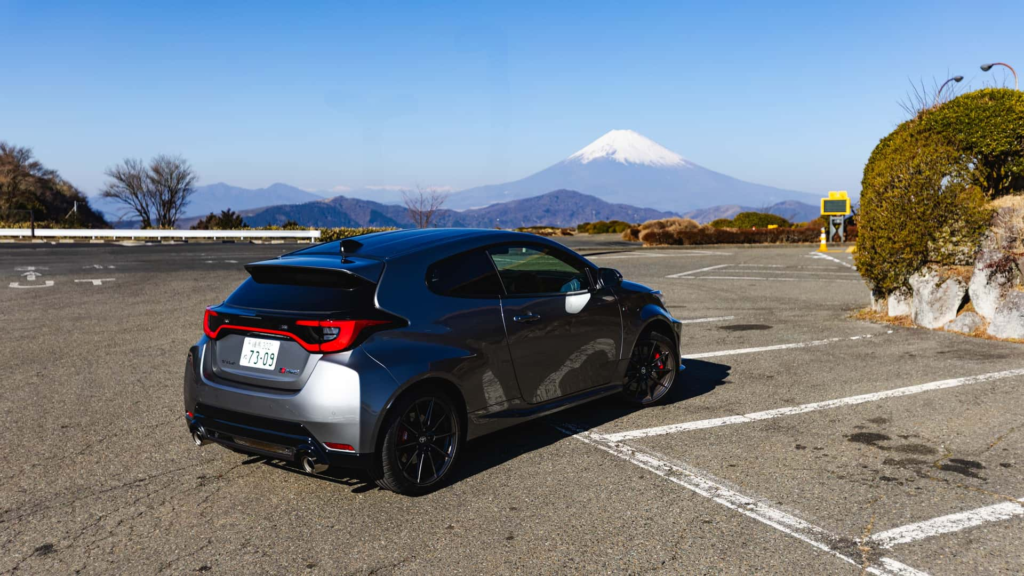
The result is a compact car with a wide stance, short overhangs and an aggressive body designed around performance.
That philosophy becomes obvious once you sit behind the wheel.
The driving position feels purposeful without becoming uncomfortable. The steering wheel, pedals and controls create the impression that the car wants you to drive it rather than simply commute in it.
And then there is the engine.
The Character of the Three-Cylinder Engine
The GR Yaris became famous for its compact turbocharged three-cylinder engine. Despite its small displacement, the engine delivers considerably more performance than its size would suggest.
Earlier versions of the GR Yaris used a 1.6-liter turbocharged three-cylinder engine producing around 257 horsepower in European specification, while later versions received significant upgrades and higher output depending on market and transmission.
What makes the engine interesting isn’t simply the power figure.
It feels energetic and eager, especially when the turbocharger comes alive. The engine has a distinctive character that makes the car feel mechanical and alive in a way many larger, more powerful vehicles cannot replicate.
You don’t need to reach extreme speeds to enjoy it.
That is one of the GR Yaris’s greatest strengths.
The Magic Is in the All-Wheel Drive
Power alone doesn’t explain the GR Yaris experience.
Its GR-Four all-wheel-drive system is one of the most important parts of the car’s personality. The system can vary the distribution of engine torque between the front and rear axles, helping the car remain composed while accelerating out of corners.
On a winding road, this becomes immediately noticeable.
Instead of feeling like the front tires are simply trying to pull the car through every corner, the GR Yaris gives the driver a greater sense of connection between throttle input and the car’s direction.
You can carry speed into a corner, begin turning and then use the accelerator to influence how the car behaves.
That interaction is what makes the GR Yaris special.
It Doesn’t Need a Perfect Road
One of the most enjoyable things about the GR Yaris is that you don’t need a racetrack to understand its appeal.
A narrow mountain road, a series of bends outside a Japanese town or even a quiet stretch of countryside can reveal what the car was designed to do.
Its compact dimensions become an advantage.
The car feels easy to place on the road, while the short wheelbase and responsive chassis make changes in direction feel immediate. Instead of constantly fighting the car’s size, you can concentrate on choosing the right line.
That is something larger performance cars often struggle to deliver.
The Japanese Connection
Driving the GR Yaris also provides an interesting window into Japan’s automotive culture.
Japan has a long tradition of creating cars that prioritize engineering and driver involvement. Cars such as the Toyota AE86, Mazda MX-5, Honda Integra Type R, Subaru Impreza WRX STI and Mitsubishi Lancer Evolution became famous because they offered something beyond simple transportation.
The GR Yaris belongs to that family in spirit.
It is not about showing off.
It is about what happens when the road starts moving beneath you.
The car feels like the product of engineers who were given permission to have some fun.
A Rally Car for the Road
The GR Yaris’s rally connection is more than a marketing story.
Toyota Gazoo Racing used its motorsport experience when developing the car, and the connection can be felt in the way the chassis responds to changes in direction and varying road surfaces.
This is particularly noticeable when the road becomes imperfect.
Instead of becoming nervous when the pavement changes, the car remains composed and communicative. That ability to maintain confidence over imperfect surfaces is one of the qualities that separates a genuinely entertaining performance car from a powerful one.
The GR Yaris doesn’t need a perfectly smooth road to demonstrate its ability.
In fact, it can become more interesting when the road isn’t perfect.
Manual Gearbox and Driver Involvement
For enthusiasts, one of the most important aspects of the GR Yaris has been its availability with a manual transmission.
A manual gearbox changes the relationship between driver and car.
You choose the gear. You decide when to shift. You control how the engine responds as the road changes.
That involvement is increasingly unusual in a world where automatic transmissions and electronic assistance dominate performance cars.
The GR Yaris reminds you that driving can still be an activity rather than simply a way of moving from one location to another.
Not Perfect—and That’s Part of the Appeal
The GR Yaris isn’t perfect.
Its compact cabin isn’t the most spacious in its class. Rear-seat practicality is limited, and the car’s performance-focused setup can feel firm on ordinary roads.
It can also feel more serious than a normal hatchback.
But these compromises are understandable when you consider the car’s purpose.
Toyota didn’t build the GR Yaris primarily to maximize luggage space or create the softest ride possible.
It built the car to make driving exciting.
And that is exactly what it does.
The Soul of Japan’s Performance Culture
After spending time with the GR Yaris, I started to understand why the car has developed such a strong following.
It isn’t the fastest car Toyota has ever built.
It isn’t the largest.
It isn’t the most luxurious.
And it certainly isn’t the most practical.
But it has something increasingly rare: personality.
The GR Yaris feels like a car that exists because somebody inside Toyota believed that enthusiasts still deserved a small, serious and slightly outrageous performance machine.
That philosophy connects it to a long line of Japanese cars that earned their reputations through engineering rather than excess.
Final Thoughts
In the search for Japan’s driving soul, the GR Yaris makes a surprisingly convincing case.
It combines a compact body, turbocharged three-cylinder power, sophisticated all-wheel drive and motorsport-inspired engineering into a package that feels completely different from the average hot hatch.
More importantly, it demonstrates that performance isn’t always about horsepower.
Sometimes it is about weight, balance, response, sound, steering and the feeling you get when the car follows exactly the direction you intended.
The GR Yaris delivers those sensations in a remarkably small package.
And perhaps that is why it feels so unmistakably Japanese: clever engineering, motorsport influence and an almost stubborn commitment to making driving fun.
The search for Japan’s driving soul may take you to racetracks, mountain roads and famous automotive museums.
But it can also be found in a small hatchback.
A GR Yaris.
